
"No. 25"
5000 article(s) found

Kenyan coffee cowpea hand pot making experience coffee hand brewing process
Kenya round beans: 13 grams, cup baking degree (belongs to 1 burst beans); 93 degrees water temperature (cooling by changing pots, cold water to hot water loss is 2%); powder-to-water ratio is 1VR 16.66; after grinding, it is corrected by No. 20 screen. Water consumption: conversion according to the ratio of gouache: 13g x 16.66mm 216.58g; change to 93 degrees hot water: 216.58 X 0.98g (1-0.02g) = 212.25 g, the total water is 212.25 g, in

The production of Italian espresso Espresso
Making a good Espresso can be a challenge for both coffee lovers at home and the experienced Barista in the cafe. Below, we will discuss the various factors that affect Espresso. 1. Coffee beans without good coffee beans, there is no good Espresso. Coffee beans must be fresh. In the case of Espresso, coffee extracted from stale coffee beans

Introduction to the steps and materials for making 25 kinds of coffee 3
16 Turkish coffee (Turk Kahvesi) there is a saying: drink your cup of Turkish coffee, remember your friendship for forty years. In the streets and alleys of Turkey, there are shops with coffee signs, some with a small coffee cup painted, and the edge of the cup seems to be steaming. After drinking coffee, Turks always look at the traces of coffee powder at the bottom of the coffee cup.

The production of Italian espresso Espresso
A perfect Espresso is hard to come by. Making a good Espresso can be a challenge for both coffee lovers at home and the experienced Barista in the cafe. Below, we will discuss the various factors that affect Espresso. 1. Coffee beans without good coffee beans, there is no good Espresso. Coffee beans must be fresh. In the case of Espresso

Panamanian coffee with smooth taste Introduction Panama coffee estate Introduction Emerald estate
There are three types of plantation: sun plantation, full shade plantation and half shade plantation. Plantations with more than 50 trees per hectare are full shade plantations;25-50 trees are half shade plantations, and 25 or less are sun plantations. What effect does shade and no shade have on coffee grown in two neighboring plantations under the same conditions? Shade plantations can slow coffee
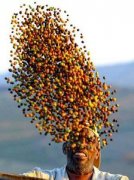
Coffee trees grow around the equator.
Coffee trees grow in tropical or subtropical agricultural gardens centered around the equator and called coffee belts. Most of the coffee production is between the Tropic of Cancer, 25 degrees north of the tropical or subtropical equator and 30 degrees south of the equator. An area with an annual average temperature of 16-25 degrees Celsius, no Frosts Descent and rainfall of 1600-2000 mm. At present, coffee is mainly produced by seven countries.
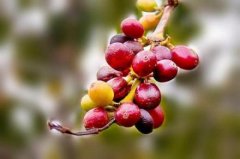
Coffee knowledge equator-centered coffee belt
Most of the coffee production is between the Tropic of Cancer, 25 degrees north of the tropical or subtropical equator and 30 degrees south of the equator. An area with an annual average temperature of 16-25 degrees Celsius, no Frosts Descent and rainfall of 1600-2000 mm. At present, coffee is mainly produced in more than 70 countries. The Big self is located at an altitude of 300,400m, sometimes between 2000 and 2500 meters above sea level.
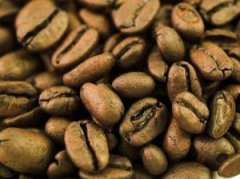
Where is the basic knowledge of boutique coffee?
Coffee trees grow in tropical or subtropical agricultural gardens centered around the equator and called coffee belts. Most of the coffee production is between the Tropic of Cancer, 25 degrees north of the tropical or subtropical equator and 30 degrees south of the equator. An area with an annual average temperature of 16-25 degrees Celsius, no Frosts Descent and rainfall of 1600-2000 mm. At present, coffee is mainly produced by seven countries.
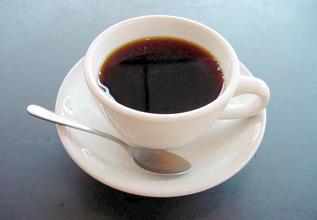
Panamanian Esmeralda Manor Panamanian Emerald Manor Rose Summer Baru Volcano Panamanian Coffee Manor
Here, there are three ways to popularize plantations: sunshine plantations, full shade plantations and semi-shade plantations. Plantations with more than 50 plants per hectare are fully shaded plantations, 25-50 plants are semi-shaded plantations, and less than 25 plants are called sunshine plantations. What is the effect of shading and shading on coffee in the plantations of the two neighbors with the same planting conditions? Shade planting

Basic knowledge of boutique coffee definition of coffee belt
Most of the coffee production is between the Tropic of Cancer, 25 degrees north of the tropical or subtropical equator and 30 degrees south of the equator. An area with an annual average temperature of 16-25 degrees Celsius, no Frosts Descent and rainfall of 1600-2000 mm. At present, coffee is mainly produced in more than 70 countries. The Big self is located at an altitude of 300,400m, sometimes between 2000 and 2500 meters above sea level.

Coffee belt coffee trees grow at the center of the equator
Coffee trees grow in tropical or subtropical agricultural gardens centered around the equator and called coffee belts. Most of the coffee production is between the Tropic of Cancer, 25 degrees north of the tropical or subtropical equator and 30 degrees south of the equator. An area with an annual average temperature of 16-25 degrees Celsius, no Frosts Descent and rainfall of 1600-2000 mm. At present, coffee is mainly produced by seven countries.

Coffee common sense several points that should be paid attention to in making espresso Espresso
Making a good espresso can be a challenge for both coffee lovers at home and experienced baristas in the cafe. So to make a perfect espresso we should consider the following factors! [1] Bean requirements: no good coffee beans, no good espresso. Coffee beans must be fresh. Take espresso, for example.
Boutique Coffee Science detailed explanation of Coffee Belt (COFFEE WORLD MAP)
Coffee trees grow in tropical or subtropical agricultural gardens centered around the equator and called coffee belts. Most of the coffee production is between the Tropic of Cancer, 25 degrees north of the tropical or subtropical equator and 30 degrees south of the equator. An area with an annual average temperature of 16-25 degrees Celsius, no Frosts Descent and rainfall of 1600-2000 mm. At present, coffee is mainly produced by seven countries.

Coffee Belt (COFFEE WORLD MAP) Coffee trees grow around the equator
Coffee trees grow in tropical or subtropical agricultural gardens centered around the equator and called coffee belts. Most of the coffee production is between the Tropic of Cancer, 25 degrees north of the tropical or subtropical equator and 30 degrees south of the equator. An area with an annual average temperature of 16-25 degrees Celsius, no Frosts Descent and rainfall of 1600-2000 mm. At present, coffee is mainly produced by seven countries.
A little knowledge of coffee the geographical location of the coffee belt
Most of the coffee production is between the Tropic of Cancer, 25 degrees north of the tropical or subtropical equator and 30 degrees south of the equator. An area with an annual average temperature of 16-25 degrees Celsius, no Frosts Descent and rainfall of 1600-2000 mm. At present, coffee is mainly produced in more than 70 countries. The Big self is located at an altitude of 300,400m, sometimes between 2000 and 2500 meters above sea level.
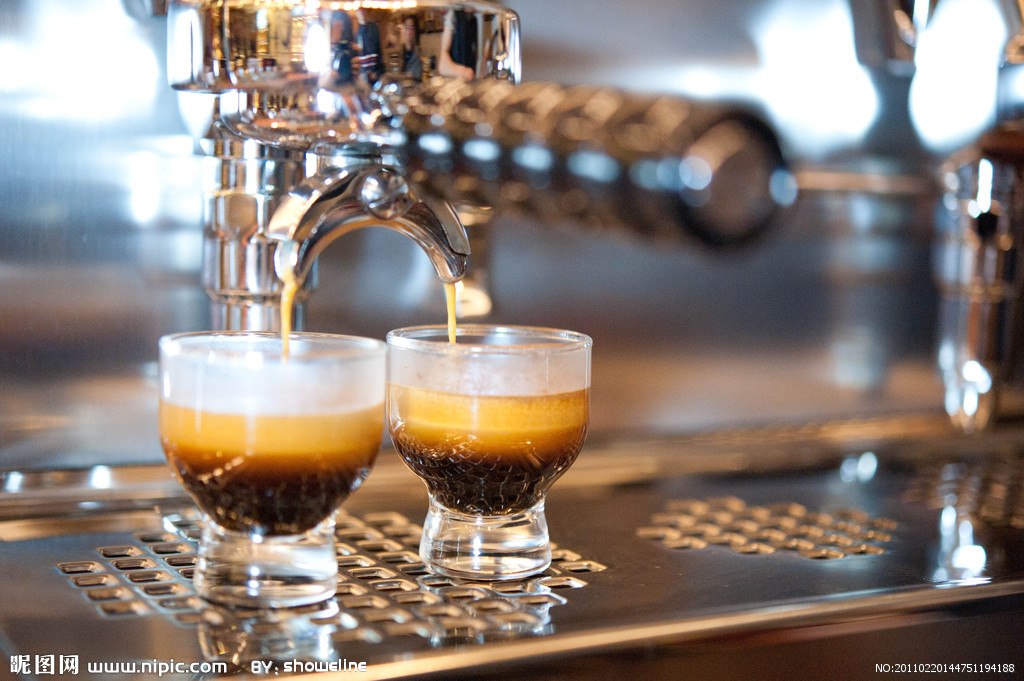
Coffee brewing method: Italian espresso Espresso coffee production standard
First of all: what is the golden rule for making espresso? What is the gold content of the gold rule? The golden rule: the time it takes to make a standard cup of Italian coffee (25-30ml), that is, from the first drop of coffee to turning off the switch, should be 25-30 seconds. Since it is called the golden rule, no matter its importance, its function and correctness, it should be like gold.

Coffee Belt (COFFEE WORLD MAP) Coffee beans are generally grown at what latitude?
Most of the coffee production is between the Tropic of Cancer, 25 degrees north of the tropical or subtropical equator and 30 degrees south of the equator. An area with an annual average temperature of 16-25 degrees Celsius, no Frosts Descent and rainfall of 1600-2000 mm. At present, coffee is mainly produced in more than 70 countries. The Big self is located at an altitude of 300,400m, sometimes between 2000 and 2500 meters above sea level.

A coffee-producing country in Jamaica with fertile new volcanic soil conducive to growing coffee
Most of the Blue Mountains are more than 1800 meters above sea level, of which the highest peak is 2256 meters above sea level. It is also the highest peak in the Caribbean and is a famous tourist attraction. The unique flavor of Blue Mountain Coffee is related to its unique geographical location and climatic conditions. Blue Mountain is located in the coffee belt between 25 degrees north latitude and 25 degrees south latitude, with fertile new volcanic soil, fresh air, no pollution, all the year round.

What are the reasons for the good quality of Jamaican coffee
Following Cafe Review (Wechat official account vdailycom) found that first of all, Beautiful Cafe opened a small shop of its own, Blue Mountain is the best tin card within Arabica species, and secondly, the unique flavor of Blue Mountain Coffee is related to the unique geographical location and climatic conditions of Blue Mountain. The Blue Mountain is located in a coffee belt between latitudes 25 degrees north and 25 degrees south, with fertile new volcanoes.

Jamaica Blue Mountain Coffee Geographic location, Regional Climate
The unique flavor of Blue Mountain Coffee is related to the unique geographical location and climatic conditions of Blue Mountain. Blue Mountain is located in the coffee belt between 25 degrees north latitude and 25 degrees south latitude, with fertile new volcanic soil, fresh air, no pollution, rainy all the year round and great temperature difference between day and night. Most importantly, clouds cover the top of the mountain every afternoon, not only as a natural shade for coffee trees, but also for coffee trees.